Logo Quiz
- 4.5
- Rating
- 50.00M
- Installs
- Free
- Price

 Analysis by App-foxy
I enjoy trivia games that are easy to understand within a few seconds, and Logo Quiz fits that mood neatly. It presents brand symbols and asks me to identify the company behind each one, turning familiar visual details into short memory tests. I can pick it up for a quick break, stop after a handful of guesses, and return later without needing to learn complicated controls.
That simplicity is the main reason I would recommend it to someone who likes casual brand trivia. It is free to download, aimed at Everyone, and made by bubble quiz games. The game has been around since May 28, 2012, so it is a well-established entry in the mobile quiz space rather than a new experiment trying to find its audience.
My experience is that the fun comes less from fast reflexes and more from recognition. A logo may look obvious at first, yet a partial design or a familiar color combination can make me hesitate. That small moment of uncertainty gives the game more staying power than a simple list of questions. Still, it is best approached as a lightweight guessing game, not as a deep encyclopedia of companies.
You May Also Like

 AccuWeather: Weather Radar
AccuWeather Review: A Quick, Clear Forecast for Everyday Decisions
For everyday plans, the best forecast is the one you can understand quickly. AccuWeather makes rain timing, radar, and local conditions easy to act on, with a few trade-offs.

 Hill Climb Racing
Why Hill Climb Racing Still Turns Crashes Into One More Run
A tiny car, a bumpy hill and one more upgrade: Hill Climb Racing keeps resurfacing because its simple chaos makes every near-miss feel personal.

 AliExpress - Shopping App
AliExpress Makes Global Shopping Feel Personal, but Shoppers Bear the Risk
AliExpress turns a global marketplace into a pocket-sized discovery engine. Its reach is useful, its shopping loop compelling, and its trade-offs easy to miss.

 Lords Mobile: Kingdom Wars
Lords Mobile Is a Kingdom-Building Routine, Not a Quick Match
A case-by-case verdict on the building, battles, device demands, and social commitments that make Lords Mobile rewarding for some players and exhausting for others.

 PDF Scanner app - TapScanner
TapScanner Makes Paperwork Easier to Capture, Check, and Share
TapScanner makes scanning with a phone feel less like a rescue operation and more like a dependable step in getting work done. Its capture tools are useful, though not flawless.

 Block Blast!
 Shows How Much a Puzzle Game Can Leave Out
A quiet grid game shows why puzzle players increasingly value instant clarity, repeatable skill and low-pressure play—and where the genre still needs to catch up.
More From Our News Desk
View All News


Getting started without losing momentum
I find the best way to begin is to treat each puzzle as a small observation exercise, not a race to tap an answer. Looking deliberately at shape, lettering, and color can make an uncertain logo easier to reason through, while a short pause helps when recognition stalls. That approach keeps early sessions relaxed and sets up a closer look at where players tend to lose momentum.
Where players usually get stuck
The first obstacle is not installation; it is expectation. Someone may open the game assuming every puzzle will be instantly recognizable, then feel frustrated when a logo is cropped, stylized, or associated with a company they rarely encounter. I found that the game works better when I treat each screen as a prompt to think broadly rather than as a test I should solve immediately.
A useful habit is to separate what I actually recognize from what I merely associate with a color or shape. For example, a circular mark might remind me of several companies, but the lettering style, spacing, or missing section can narrow the possibilities. Looking at the visible details before guessing helps reduce random taps and makes the eventual answer more satisfying.
Another common sticking point is the temptation to spend too long on one image. Logo quizzes can create a false sense that the answer is just out of reach. When I reach that point, I mentally describe the logo instead: its dominant color, apparent industry, word length, and whether the design feels connected to food, technology, clothing, transport, or another familiar area. This turns vague recognition into a more manageable process.
The game is also less suitable for people who want detailed explanations after every answer. Its appeal is the guessing itself. If I need a learning tool that explains company histories, visual branding, or why an answer is correct, a dedicated educational app would probably be a better choice. Logo Quiz gives me a prompt and a challenge, not a full lesson about each brand.
Simple setup checks before playing
Because the game is free, getting started is straightforward, but I still recommend checking the device before blaming the app for a poor first session. The listed minimum operating system is Android 5.0, so an older phone should be checked against that requirement before installation. On a compatible device, I would also make sure there is enough free storage and that the operating system is not struggling generally.
If the game does not install, the practical checks are basic: confirm that the device meets the minimum system requirement, verify a stable connection to the relevant app store, and restart the store application if the download appears frozen. These steps are deliberately ordinary, but they solve more setup problems than repeatedly tapping the install button.
The current version is 35.7, which is worth checking if the game behaves differently from what I expect. Keeping the installed version current can help with compatibility, although an update is not a guarantee that every device-specific problem will disappear. I would avoid clearing application data as a first reaction, because that can remove local progress or settings if the device stores them locally.
It is also sensible to review purchase controls before handing the phone to a child. The content rating is Everyone, but the game includes optional in-app purchases ranging from $0.99 to $3.99 per item. That does not change the basic free-to-play nature of the game, yet a quick store-account check can prevent an unwanted purchase during a family play session.
A practical workflow when an answer will not come
My preferred workflow has three passes. First, I inspect the entire image without touching the answer area. Second, I identify the strongest clue, such as a distinctive letter, outline, or color arrangement. Third, I make one considered guess and move on if it does not work. This approach keeps the game feeling like trivia instead of turning every puzzle into a long research task.
When I am playing with friends, I use a different method: one person describes the mark without naming the obvious association, while the others suggest companies. That removes some of the pressure from individual recall and makes the game work as a short social activity. It is especially useful during a commute, a waiting period, or a relaxed evening when nobody wants to commit to a long multiplayer session.
If progress seems to stop responding, I first check whether the tap registered, then leave the screen and return to it if the game allows that through its normal navigation. I would close and reopen the app only after trying the obvious on-screen controls. A full device restart is reasonable if several apps are misbehaving, but it is excessive for a single missed tap.
I also avoid guessing repeatedly just to force movement. Random answers can make the session feel noisy and may use whatever assistance or progression options are available in the particular screen. A better recovery is to pause, note the visual clues, and return later. Recognition often arrives after a short break, especially when the logo is familiar but not immediately accessible from memory.
When the app may not be the cause
Not every interruption comes from Logo Quiz. If other applications are slow, the phone may be low on available resources or dealing with a broader system issue. If only downloads fail, the app-store connection or account may be responsible. If the game opens but images do not appear correctly, I would compare its behavior with other apps that load visual content before assuming the puzzle itself is broken.
Network conditions can also complicate the first setup or any store-related action. A weak connection may make an installation appear stalled, while switching between mobile data and Wi-Fi can create inconsistent results. I would use one reliable connection, wait for the store to finish its task, and then launch the game again rather than repeatedly starting and cancelling the download.
Storage is another easy-to-miss cause. A phone can still show free space while having too little room for a new installation or update. Removing an unused download may be enough. I would not delete the game or reset its data until I had considered whether the real issue was the device, the store, or the connection.
For display problems, checking screen brightness, accessibility magnification, and orientation can be more useful than reinstalling. A logo that appears cropped or difficult to inspect may be affected by how the device is being held or displayed. These checks do not require changing anything permanently, and they help distinguish a visual setting from a game problem.
How it compares with other trivia choices
Compared with general knowledge quizzes, this game has a narrower subject but a more immediate hook. I do not need to remember dates, geography, science terms, or long explanations. I only need to connect a visual identity with a company. That makes it easier to play casually, though it also means the challenge depends heavily on which brands I already know.
Compared with word puzzles, Logo Quiz is less about vocabulary and more about visual memory. Someone who thinks quickly from written clues may prefer a conventional quiz, while someone who notices packaging, signs, apps, and advertisements may find the logo format more natural. Neither style is universally better; the difference is whether recognition or factual recall feels more enjoyable.
It also differs from a full-featured competitive trivia platform. Those games often emphasize timed rounds, changing subjects, rankings, or live opponents. Logo Quiz feels more private and self-paced. That is a strength when I want a calm break, but a weakness if I am looking for a lively contest with constant variety and social pressure.
The focused theme can become repetitive for experienced players. Once I have seen many familiar symbols, the surprise decreases, and the game may feel more like a memory check than a fresh quiz. I would choose it for short sessions and visual guessing, not as my only trivia game for months of daily play.
Useful ways to fit it into everyday life
One realistic use is a five-minute waiting period. I can open the game while waiting for an appointment, solve a few puzzles, and stop without needing to remember a complex storyline or arrange a group. The short-session design is also convenient when I want something more engaging than scrolling but less demanding than a full game.
It works well as a conversation starter at home. Family members often recognize different companies based on their habits, age, work, or interests, so a difficult logo can become a small discussion rather than a dead end. I like that this gives the game value even when nobody knows the answer immediately.
For better results, I would play with a theme in mind. I might first think about companies connected to shopping, food, travel, electronics, or entertainment, then compare the visual clues with those groups. This is more efficient than listing every company I know. It also makes me notice how strongly context influences recognition.
There is a trade-off here: outside help can keep a session moving, but looking up every uncertain logo removes the memory challenge. I prefer to set a personal rule of trying independently first and checking only after I have genuinely exhausted the clues. That preserves the satisfaction of solving the puzzle while avoiding an unnecessarily frustrating standstill.
Who should choose it, and who should skip it
I would recommend Logo Quiz to casual players, families, brand-conscious shoppers, and anyone who enjoys visual recognition more than complicated controls. Its broad audience is reflected in its Everyone rating, and the free entry point makes it easy to try without committing money at the start.
I would be more cautious about recommending it to someone who dislikes commercial imagery or prefers trivia with factual explanations. The entire premise depends on company identities, so players who find branding uninteresting may run out of patience quickly. It is also not the right choice for someone seeking a story, action, strategy, or a substantial progression system.
Players who need accessibility options tailored to a particular visual condition should test the presentation carefully on their own device. A game built around recognizing logos naturally depends on seeing small design details, and personal comfort can vary. If visual inspection is tiring, an audio-first quiz or text-based trivia format would likely be more suitable.
The large audience suggests that the concept has broad appeal: the game holds an average rating of 4.5 from around 1.1 million ratings and has passed 50 million installs. Those figures do not make it perfect for every player, but they do indicate that the basic format is easy for many people to understand and enjoy.
What the long-term experience feels like
After the novelty settles, the game becomes a test of how much visual information I retain from daily life. That can be surprisingly revealing. I may recognize a symbol without remembering the company name, or know the company but hesitate over its exact spelling. The distinction makes the puzzles more interesting than simple yes-or-no recognition.
The developer, bubble quiz games, has kept this title available across a long period, and its current version shows that it remains an active product rather than an abandoned download. Still, longevity does not automatically mean endless freshness. My enjoyment depends on how often I play and how familiar I already am with the logo set.
Optional purchases are another point to consider. Since the game is free, I can evaluate the core experience before spending anything. I would only consider an in-app purchase if it genuinely improves my way of playing, rather than buying out of impatience on a single difficult puzzle. For a casual game, keeping that boundary is important.
The strongest part of the design is its low commitment. I can play alone, involve another person, or stop after one challenge. The weakest part is the same narrow focus that makes it accessible: if I want changing subjects, detailed feedback, or a deeper sense of progression, I will eventually need another kind of trivia game alongside it.
My practical verdict
Logo Quiz is a straightforward, approachable trivia game that turns everyday brand recognition into a series of quick mental challenges. I like it most when I have a few spare minutes and want something that starts instantly, asks for no complicated preparation, and rewards observation rather than fast fingers.
My advice is to check device compatibility and store conditions before troubleshooting the game itself, keep purchases controlled, and avoid treating every unfamiliar logo as a failure. Use the visual clues methodically, take a break when recognition stalls, and compare the game with a text-based quiz if you want broader subject coverage.
With over 101 thousand reviews and a free price, it is easy to see why the format continues to attract casual players. I would not call it a complete trivia collection, and I would skip it if company logos hold no interest. For everyone else, especially people who enjoy guessing together or filling short gaps in the day, Logo Quiz is a simple game with more replay value than its one-question premise first suggests.
FAQs for Logo Quiz
01What is Logo Quiz and how does the game work?
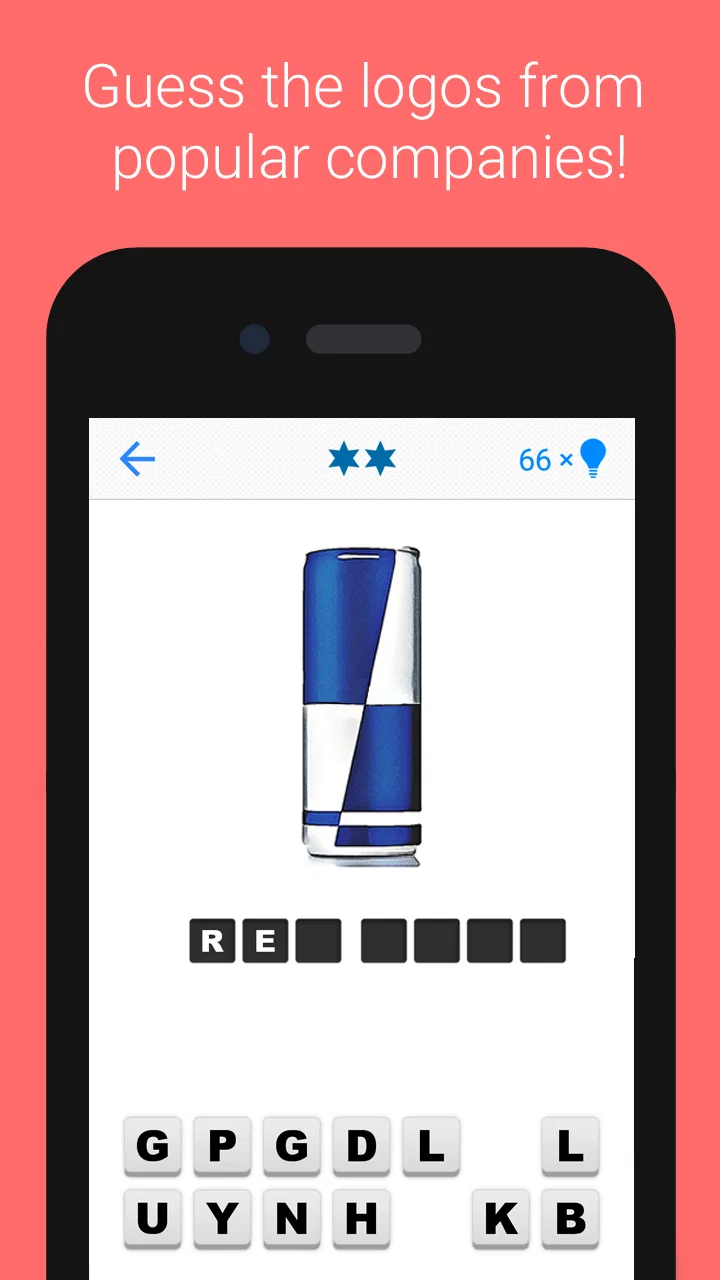
Logo Quiz is a casual trivia game in which you identify companies, brands, products, and organizations by looking at their logos. Each correct answer unlocks progress and may provide coins, hints, or access to additional levels. The early stages are generally simple, while later puzzles use partially hidden, simplified, or less familiar logos that require stronger brand recognition.
02Is Logo Quiz free to download and play?
Logo Quiz can usually be downloaded and played for free, but the experience may include advertisements and optional in-app purchases. Purchases can provide extra coins, remove ads, or unlock hints and other content, depending on the version installed. You should check the app-store listing carefully because pricing, available features, and payment options may differ between Android and iOS.
03Does Logo Quiz require an internet connection?
Many Logo Quiz levels can be played offline after the game has been installed, which makes it convenient for travel or situations without reliable mobile data. However, an internet connection may still be needed for advertisements, purchases, updates, leaderboards, cloud features, or downloading additional level packs. Offline availability can vary by version, so test the game before relying on it without connectivity.
04Are the logos in Logo Quiz suitable for children?
Logo Quiz is generally easy to understand and can be suitable for children, especially when played together with a parent or teacher. Nevertheless, some logos represent products, services, or brands intended for adults, and advertising content may not always be fully controlled by the game. Parents should review the app’s age rating, privacy information, and in-app purchase settings before allowing independent play.
05What should I do if I cannot recognize a logo or run out of coins?
When a logo is difficult, Logo Quiz commonly offers hints such as revealing a letter, removing incorrect letters, or showing part of the answer. These options usually cost coins, so it is wise to save them for genuinely challenging puzzles rather than spending them immediately. You can also use the game’s daily rewards, replay earlier levels, or seek help without sharing personal account information.
Pros
- Simple gameplay that is easy to understand from the first question.
- Large variety of recognizable brands keeps short sessions entertaining.
- Helpful hints make difficult logos possible to solve without getting stuck.
- Works well for quick offline play when no internet connection is available.
- Progressive difficulty gives experienced players a satisfying challenge.
Cons
- Some logos may be unfamiliar depending on your country or shopping habits.
- Repeated questions can make longer play sessions feel less engaging.
- Hints and extra lives may be limited unless you watch ads or spend currency.
- Advertising can interrupt gameplay
- especially after incorrect answers.
- Small logo details may be difficult to identify on phones with smaller screens.

Logo Quiz
Gallery